Gifting
Gifting Unusual Candy: Building a Tasting Box That Delights
Candy gifts have a bad reputation, and honestly, they earned it: the same box of chocolates, the same grocery-store lollipops, the same shrug when the recipient opens it. A box of unusual hand-made candy can be better than flowers — but only if it's built like a gift, not like a grab-bag. Here's how we build tasting boxes, and what we'd tell anyone sending one.
Choose six, not twelve
A tasting box should be a conversation, not a feast. Six pops is the right size: enough to include the classics and still make room for something strange. Twelve usually means the box gets half-eaten and the rest goes sad in a drawer.
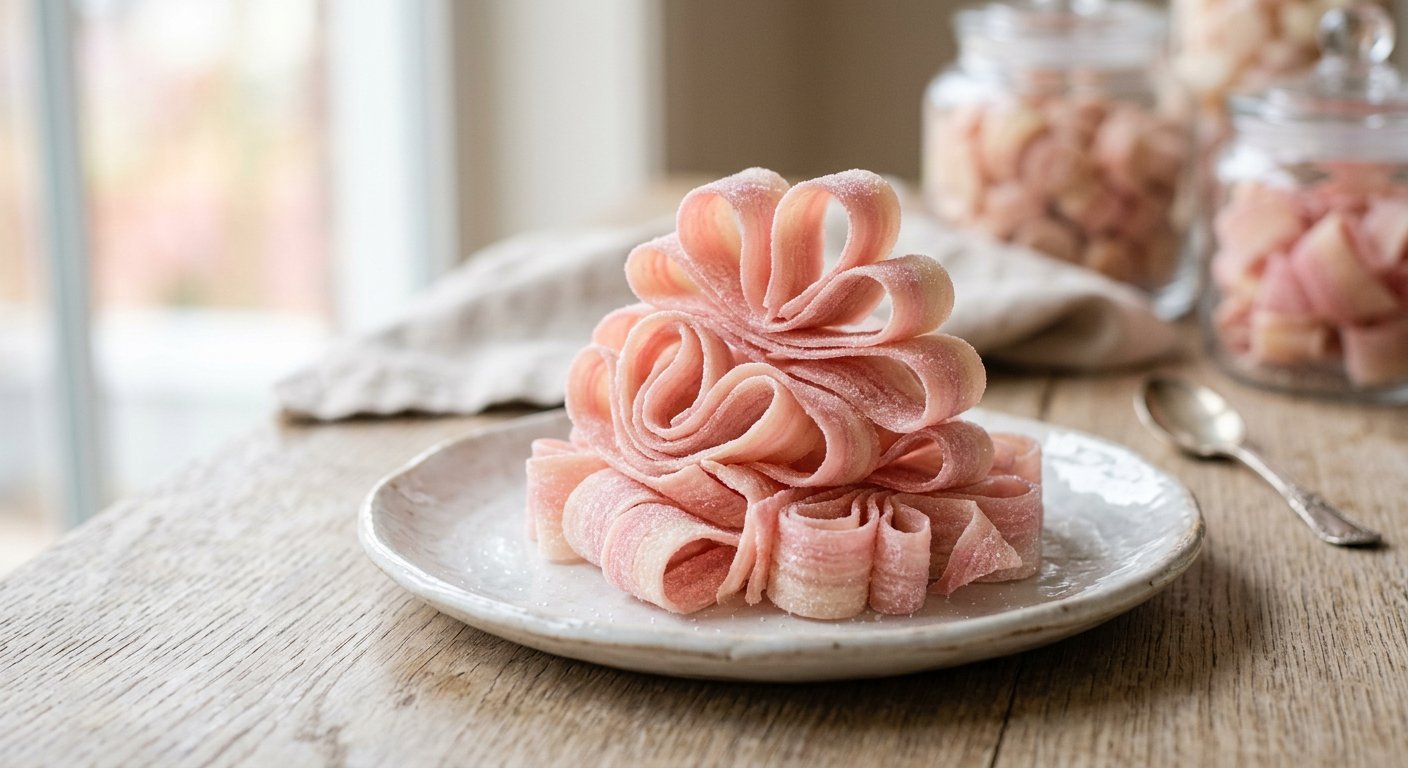
Our default six, when people let us build it: one Nebula Pop for the "wow, look at that" moment, one Sunset Split for the two-flavor trick, one Honeycomb Hexagon for the sweet-and-salty-crisp contrast, one Rosewater Ribbon for the floral crowd, one Smoked Sea Salt Caramel for the slow chew, and — always — one The Guessing Game, because the best gift is the one that makes the person ask you a question.
Don't put everything in the same flavor family
This is the most common gift-box mistake: six berry pops is not six flavors, it's six versions of the same conversation. Contrast is what makes a tasting box interesting — floral against smoky, bright against deep, hard against soft. If you're picking your own, apply the same rule we do: no two entries should taste similar at first bite.
"A tasting box should look like a small dinner party where everyone gets along."
Include a tasting card
The best boxes we've seen arrive with a small blank card and a pen: "First impression: ___ · Favorite: ___ · What was in the mystery one: ___." It turns eating into an activity and gives people something to talk about across the table. Bonus points if you write one specific, true sentence about the recipient on the card — "something you mentioned about their garden" lands harder than any generic sentiment.
Wrap for the mail, not for the shelf
Candy shipped in July is a different proposition than candy shipped in January. Hard lollipops travel well almost year-round — they're basically sugar glass — but caramels can soften in a hot mailbox, and anything with a painted surface can scuff. If you're shipping in warm weather, say so on the box, ask for a delivery window, and accept that chocolate-adjacent melting is a fact of life, not a defect.
For our boxes, each piece gets its own paper wrap, then a nest of tissue or crinkle paper, then a sealed box. Loose pops in a bag is how you arrive at a box of sugar rubble.
Time the delivery, not just the order
The candy should arrive close to the moment the recipient is actually there to see it. A box that sits on a porch for two days is a box nobody tastes. If you can, choose a delivery window, or send it to a workplace address where it gets opened same-day — preferably on a day you know they'll be in.
Tell them what they're tasting
Don't spoil The Guessing Game, but do tell the rest. A one-line note per pop — "mango-passionfruit with basil, on the yellow side" — turns the box into a story instead of a surprise-and-then-forget. The recipient will taste more carefully when they know there's a thought behind each swirl.
If you'd rather not build one yourself
We build tasting boxes for events, weddings, corporate gifts and the holidays — pick the flavors, we handle the rest, including a handwritten card if you send us the sentence. Three weeks' notice for custom combinations; the current lineup can usually move faster. Send us a request with the details and we'll reply with what's possible in the current batches.